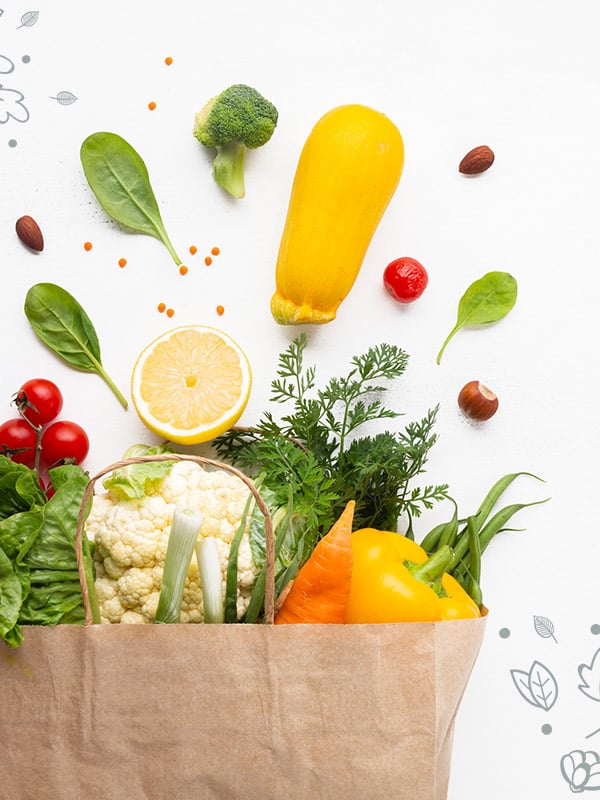




Summer Easy Cold Pasta Salad: The Ultimate Guide to Refreshing Seasonal Dining
Beat the heat with this versatile, make-ahead dish perfect for picnics, potlucks, and effortless summer meals
Introduction: Why Cold Pasta Salad Is Summer’s Perfect Companion
When the temperature rises and the last thing you want is to stand over a hot stove, cold pasta salad emerges as the hero of summer dining. This versatile dish combines the satisfying heartiness of pasta with the fresh crunch of seasonal vegetables, all brought together by a flavorful dressing that becomes even more delicious as it marinates. Whether you’re planning a backyard barbecue, heading to a potluck, packing a picnic, or simply seeking an easy meal prep solution for sweltering days, pasta salad delivers convenience without compromising on taste or nutrition.
The beauty of cold pasta salad lies in its adaptability. The basic formula—cooked pasta, fresh vegetables, optional proteins, and a zesty dressing—provides infinite possibilities for customization. You can create a Mediterranean-inspired version with olives and feta, a garden-fresh option bursting with farmers’ market vegetables, or a protein-packed variation with grilled chicken or chickpeas. The canvas is blank, waiting for your creative touch and personal preferences.
Beyond its versatility, pasta salad offers practical advantages that make it especially suited for summer entertaining and everyday meals. You can prepare it hours or even a day ahead, allowing the flavors to meld while freeing up your time when guests arrive. It travels well, requiring no reheating or special handling. And perhaps most importantly during summer’s heat, it provides a complete, balanced meal that refreshes rather than weighs you down.
In this comprehensive guide, we’ll explore everything you need to know about creating the perfect summer pasta salad—from selecting the ideal pasta shapes and cooking them perfectly to choosing complementary ingredients and crafting dressings that transform the dish from ordinary to extraordinary. We’ll share expert tips, troubleshooting advice, make-ahead strategies, and creative variations that will keep this summer staple exciting all season long. By the end, you’ll be equipped with the knowledge and inspiration to create pasta salads that will impress at gatherings and simplify your summer meal routine.
The Foundation: Choosing and Cooking the Perfect Pasta
Selecting the Right Pasta Shape
The pasta you choose forms the foundation of your salad, and not all shapes are created equal when it comes to cold applications. The ideal pasta for salad should:
- Hold dressing well: Shapes with ridges, curves, or hollows capture more dressing, ensuring flavor in every bite.
- Be easy to eat: Especially important for outdoor dining and standing-room-only parties.
- Maintain a good texture when chilled: Some pastas become too firm when cold.
Best Pasta Shapes for Cold Salad:
- Rotini/Fusilli: The spiral shape captures dressing in its twists, making each bite flavorful. The medium size works well with most mix-ins.
- Farfalle (Bow Ties): Not only visually appealing, but the pinched center and wavy edges also hold dressing well.
- Penne/Ziti: The hollow center fills with dressing, creating flavor bombs with each bite.
- Orecchiette: These “little ears” cup dressing and small ingredients like peas or corn.
- Cavatappi: Corkscrew shape that’s slightly larger than rotini, excellent for chunkier pasta salads.
- Conchiglie (Shells): Small or medium shells catch dressing and small ingredients inside their curves.
- Elbow Macaroni: A classic for a reason—the curved shape holds dressing while the small size ensures a good ratio of pasta to other ingredients.
Shapes to Avoid:
- Long strands like spaghetti or linguine, which can be messy and don’t hold ingredients well
- Very small shapes like orzo (unless making a specific style of pasta salad)
- Delicate shapes that might break easily during mixing
The Art of Cooking Pasta for Cold Salads
Perfectly cooked pasta is crucial for a successful pasta salad. Unlike hot pasta dishes where al dente is the goal, cold pasta salad requires slightly different considerations:
Cook it Properly:
- Use plenty of heavily salted water (it should taste like seawater)
- Aim for just past al dente—the pasta will firm up when chilled
- Test frequently during cooking to catch it at the perfect stage
Cooling Technique Matters:
- Rinse immediately after cooking: This stops the cooking process and removes excess starch that would make the pasta stick together when cold.
- Use cold water: The temperature shock helps maintain the pasta’s texture.
- Drain thoroughly: Excess water will dilute your dressing.
- Toss with a small amount of oil: This prevents sticking as the pasta cools completely.
Time-Saving Tip: Cook the pasta the night before or early in the morning when temperatures are cooler. This makes the remaining assembly quick and heat-free.
Alternative Pasta Options
While traditional wheat pasta is the standard, consider these alternatives for different dietary needs or flavor profiles:
- Whole Wheat Pasta: Adds nutty flavor and extra fiber; requires careful monitoring during cooking as it can become mushy more quickly than white pasta.
- Gluten-Free Options: Many excellent corn-rice blends are available; these typically need thorough rinsing and sometimes a touch more dressing as they can be drier.
- Legume-Based Pastas: Made from chickpeas or lentils, these add protein and fiber but have a distinctive texture; they work best in salads with bold flavors that complement their earthy notes.
- Vegetable Pasta: Colorful options made with tomato, spinach, or beet add visual interest and subtle flavor notes.
Building Flavor: The Art of Dressing and Seasoning
Classic Dressing Options
The dressing ties everything together in a pasta salad, providing moisture and binding the flavors. These are versatile options that work with most ingredient combinations:
Italian Vinaigrette:
- 1/3 cup extra virgin olive oil
- 3 tablespoons red wine vinegar
- 1 tablespoon lemon juice
- 1 teaspoon Dijon mustard
- 1 clove garlic, minced
- 1 teaspoon Italian herb blend
- Salt and freshly ground black pepper to taste
Creamy Ranch:
- 1/2 cup mayonnaise
- 1/4 cup sour cream or Greek yogurt
- 1 tablespoon white wine vinegar
- 1 teaspoon dried dill
- 1/2 teaspoon garlic powder
- 1/2 teaspoon onion powder
- Salt and freshly ground black pepper to taste
- Milk to thin as needed
Lemon-Herb Vinaigrette:
- 1/3 cup extra virgin olive oil
- 1/4 cup fresh lemon juice
- 2 tablespoons chopped fresh herbs (parsley, basil, chives)
- 1 teaspoon honey or maple syrup
- 1 small shallot, finely minced
- Salt and freshly ground black pepper to taste
Beyond Basic: Elevated Dressing Ideas
Take your pasta salad to the next level with these more distinctive dressing options:
Pesto Dressing:
- 1/4 cup prepared pesto (homemade or store-bought)
- 3 tablespoons extra virgin olive oil
- 1 tablespoon lemon juice
- Salt and freshly ground black pepper to taste
Asian-Inspired Sesame:
- 3 tablespoons rice vinegar
- 2 tablespoons soy sauce
- 1 tablespoon sesame oil
- 1 tablespoon honey
- 1 teaspoon grated ginger
- 1 clove garlic, minced
- 1 tablespoon neutral oil (canola or vegetable)
- Red pepper flakes to taste
Greek Yogurt & Feta:
- 1/2 cup Greek yogurt
- 1/4 cup crumbled feta cheese
- 2 tablespoons lemon juice
- 1 tablespoon extra virgin olive oil
- 1 teaspoon dried oregano
- 1 clove garlic, minced
- Salt and freshly ground black pepper to taste
The Secret to Perfect Dressing Application
How you apply the dressing is just as important as the dressing itself:
- Dress the pasta while slightly warm: This allows it to absorb some of the flavors.
- Use about 3/4 of your dressing initially: Reserve the remainder to add just before serving, as pasta tends to absorb dressing as it sits.
- Toss thoroughly but gently: You want every piece coated but don’t want to break the pasta.
- Allow time for flavors to develop: At least 30 minutes, but 2-4 hours is ideal.
- Taste before serving: This is when you’ll add the reserved dressing if needed and adjust seasonings.
Pro Tip: For creamy dressings, mix a tablespoon of the dressing with a tablespoon of water before adding the final touch-up dose. This helps it spread more evenly through the cold salad.
Fresh Ingredients: The Summer Bounty
Seasonal Vegetables That Shine
Summer’s produce abundance provides endless options for fresh, crisp additions to your pasta salad:
Early Summer Stars (May-June):
- Sugar snap peas: Sweet and crisp, slice them diagonally for visual appeal
- Radishes: Provide a peppery crunch; slice very thinly
- Young zucchini: Tender and mild, dice small or use a vegetable peeler to create ribbons
- Green onions: Milder than regular onions, perfect for summer dishes
- Asparagus: Blanch briefly and cut into bite-sized pieces
Peak Summer Additions (July-August):
- Cherry tomatoes: Halved or quartered depending on size
- Bell peppers: All colors add sweetness and visual appeal
- Corn: Fresh off the cob, briefly blanched or even raw
- Cucumbers: English or Persian varieties have fewer seeds and thinner skin
- Fresh herbs: Basil, cilantro, parsley, and mint are all excellent additions
Pro Tip: For vegetables that might release water (like tomatoes or cucumbers), add them closer to serving time, or salt and drain them first to prevent diluting your dressing.
Protein Options for a Complete Meal
Transform your pasta salad from side dish to main course with these protein additions:
No-Cook Options:
- Canned beans: Chickpeas, white beans, or black beans (rinsed and drained)
- Canned tuna or salmon: Drain well and flake into pieces
- Deli meat: Ham, turkey, or salami cut into strips or cubes
- Hard-boiled eggs: Quartered or chopped
- Cheese cubes: Cheddar, provolone, or pepper jack
Cooked-Ahead Options:
- Grilled chicken: Cook extra when grilling for another meal
- Shrimp: Quickly poached and chilled
- Roasted tofu: Marinated and baked until firm
- Bacon: Cooked crisp and crumbled
Pro Tip: When adding proteins, consider reducing the salt in your dressing, as many protein options (particularly cured meats, canned fish, and cheeses) contribute additional saltiness.
Flavor Boosters and Finishing Touches
These small additions can elevate your pasta salad from good to memorable:
Briny Elements:
- Olives (kalamata, green, or a mix)
- Capers
- Pickled peppers
- Sun-dried tomatoes
Cheeses:
- Crumbled feta or goat cheese
- Fresh mozzarella pearls
- Shaved Parmesan
- Blue cheese crumbles
Nuts and Seeds:
- Toasted pine nuts
- Sliced almonds
- Sunflower seeds
- Chopped walnuts
Fresh Herbs:
- Basil
- Parsley
- Dill
- Chives
- Mint
Pro Tip: Add delicate elements like fresh herbs and soft cheeses just before serving to maintain their texture and flavor.
Master Recipe: Classic Summer Pasta Salad
This versatile recipe serves as an excellent starting point that you can customize based on preferences and what’s available.
Yield: 8-10 servings as a side dish, 6 as a main course Prep Time: 20 minutes Cook Time: 10 minutes Chill Time: 2 hours Total Time: 2 hours 30 minutes
Ingredients
For the Pasta Base:
- 1 pound (16 ounces) rotini, farfalle, or penne pasta
- 2 teaspoons salt (for pasta water)
- 1 tablespoon olive oil (for tossing after cooking)
For the Dressing:
- 1/2 cup extra virgin olive oil
- 1/4 cup red wine vinegar
- 2 tablespoons fresh lemon juice
- 1 tablespoon Dijon mustard
- 2 cloves garlic, minced
- 1 teaspoon honey
- 1 teaspoon dried Italian herbs
- 1/2 teaspoon salt
- 1/4 teaspoon freshly ground black pepper
For the Vegetables:
- 1 pint cherry tomatoes, halved
- 1 English cucumber, diced
- 1 bell pepper (red, yellow, or orange), diced
- 1/2 red onion, finely diced
- 1 cup fresh corn kernels (from about 2 ears)
- 1/4 cup fresh basil leaves, thinly sliced
Optional Add-ins (choose 2-3):
- 8 ounces fresh mozzarella pearls or cubed
- 1 can (15 ounces) chickpeas, drained and rinsed
- 1 cup black olives, halved
- 1/4 cup fresh parsley, chopped
- 1/3 cup toasted pine nuts
- 2 cups baby spinach or arugula
Instructions
Cook the pasta: Bring a large pot of water to a boil. Add salt. Cook pasta according to package directions until just past al dente. Drain well, rinse under cold water until cool, and transfer to a large bowl. Toss with olive oil to prevent sticking.
Make the dressing: In a small bowl or jar, combine all dressing ingredients. Whisk or shake well until emulsified. Set aside 1/4 of the dressing for later use.
Combine ingredients: Add all vegetables to the pasta. Pour 3/4 of the dressing over the mixture and toss gently to combine.
Add optional ingredients: Fold in your chosen add-ins, reserving some herbs for garnish if desired.
Chill: Cover the bowl and refrigerate for at least 2 hours to allow flavors to develop.
Finish and serve: Before serving, toss with the reserved dressing, taste, and adjust seasonings as needed. Garnish with any reserved herbs.
Make-Ahead Notes
- This salad can be prepared up to 24 hours in advance.
- If making more than 4 hours ahead, reserve delicate ingredients like fresh herbs, baby greens, and soft cheeses to add just before serving.
- Always reserve some dressing to refresh the salad before serving.
Creative Variations: Around the World in Pasta Salads
Mediterranean Escape
Transport yourself to the shores of Greece or Italy with this bright, briny variation:
Pasta: Farfalle or orecchiette Dressing: Lemon-herb vinaigrette with extra oregano Key Ingredients:
- Cherry tomatoes
- Cucumber
- Red onion
- Kalamata olives
- Artichoke hearts (quartered)
- Crumbled feta cheese
- Fresh parsley and mint
- Optional: Canned tuna or white beans
Asian-Inspired Noodle Salad
East meets West in this fusion pasta salad with bold flavors:
Pasta: Spaghetti broken in half before cooking (or soba noodles) Dressing: Sesame-ginger vinaigrette Key Ingredients:
- Red bell pepper, thinly sliced
- Shredded carrots
- Sugar snap peas, sliced diagonally
- Green onions
- Cilantro
- Sesame seeds
- Optional: Edamame or shredded chicken
- Garnish: Crushed peanuts
Southwest Fiesta
Bring some heat and color to your table with this Mexican-inspired version:
Pasta: Rotini or small shells Dressing: Lime vinaigrette with cumin and chili powder Key Ingredients:
- Black beans, rinsed and drained
- Corn kernels
- Cherry tomatoes
- Avocado, diced (add just before serving)
- Red onion
- Cilantro
- Cotija or pepper jack cheese
- Optional: Diced cooked chicken or shrimp
- Garnish: Tortilla strips or crumbled tortilla chips
Harvest Celebration
Perfect for late summer when early autumn vegetables appear:
Pasta: Penne or farfalle Dressing: Apple cider vinaigrette with a touch of maple syrup Key Ingredients:
- Roasted butternut squash cubes (cooled)
- Dried cranberries
- Toasted walnuts
- Arugula
- Goat cheese crumbles
- Red onion
- Optional: Bacon crumbles
- Garnish: Fresh thyme
Classic Deli-Style Macaroni Salad
A nostalgic favorite elevated with fresh ingredients:
Pasta: Elbow macaroni Dressing: Creamy combination of mayonnaise, sour cream, and a splash of vinegar Key Ingredients:
- Finely diced celery
- Red bell pepper
- Red onion
- Hard-boiled eggs, chopped
- Sharp cheddar cheese, cubed
- Fresh dill
- Optional: Ham cubes
- Garnish: Paprika and extra dill
Expert Tips and Troubleshooting
Common Problems and Solutions
Problem: Pasta salad becomes dry after refrigeration. Solution: Reserve 1/4 of your dressing to add just before serving. For extremely dry salads, make a small amount of additional dressing using the same proportions.
Problem: Vegetables release water, making the salad soupy. Solution: For watery vegetables like tomatoes and cucumbers, salt them lightly and let them drain in a colander for 15-30 minutes before adding to the salad.
Problem: Pasta is too firm or too soft. Solution: For cold salads, cook pasta about 1 minute past the al dente stage listed on the package. If your finished salad has overly firm pasta, letting it sit at room temperature for 15-20 minutes before serving can help.
Problem: Flavors seem bland or dull. Solution: Cold temperatures mute flavors. Add an extra pinch of salt, a squeeze of lemon, or a splash of vinegar just before serving to brighten the flavors.
Problem: Certain ingredients discolor or become soggy. Solution: Add delicate herbs, leafy greens, and easily discolored items like avocado just before serving.
Equipment Recommendations
Having the right tools makes pasta salad preparation easier and more enjoyable:
- Large colander: Essential for properly rinsing and draining pasta
- Extra-large mixing bowl: Provides space for thorough but gentle mixing
- Quality chef’s knife: Makes quick work of vegetable prep
- Jar with tight-fitting lid: Perfect for shaking up dressings
- Storage containers: Glass containers maintain freshness without imparting flavors
- Salad servers: Allow for gentle tossing without breaking pasta
Storage Best Practices
Maximize the life and quality of your pasta salad with these storage tips:
- Refrigerate promptly: Don’t leave pasta salad at room temperature for more than 2 hours (1 hour in hot weather)
- Airtight container: Prevents odors from other foods affecting your salad
- Storage duration: Most pasta salads keep well for 3-5 days, though those with seafood are best consumed within 2 days
- Refresh before serving: Stir well and potentially add a splash of dressing or lemon juice to revive flavors
- Freezing: Not recommended, as textures significantly deteriorate
Serving and Presentation Ideas
Serving Options for Different Occasions
Casual Backyard BBQ:
- Serve in a large, colorful bowl with serving utensils
- Place near other side dishes for easy self-service
- Label with ingredients if serving to guests with potential allergies
Elegant Dinner Party:
- Serve individual portions in small bowls or on salad plates
- Use a ring mold to create a shaped portion, then remove the mold
- Garnish with a single herb sprig or edible flower
Picnic or Potluck:
- Transport in a sealable container with an ice pack
- Pack dressing separately if traveling long distances
- Include serving utensils in your kit
Weekly Meal Prep:
- Portion into individual containers for grab-and-go lunches
- Keep toppings that might become soggy in separate containers
- Label with dates for easy rotation
Presentation Elements That Impress
Small touches that elevate the visual appeal of your pasta salad:
- Color contrast: Aim for at least three different colors for visual impact
- Height: Place pasta salad on a bed of greens or top with a garnish that adds height
- Garnishes: Fresh herb sprigs, lemon wedges, or a sprinkle of colorful spice
- Serving vessel: A white bowl makes colors pop, while a wooden bowl adds rustic charm
- Thoughtful arrangement: Place a few of the prettiest ingredients on top rather than mixing everything together
Health and Nutrition Considerations
Making Pasta Salad More Nutritious
Simple swaps and additions to boost the nutritional profile:
- Whole grain pasta: Increases fiber and nutrients
- Legume-based pasta: Adds protein and reduces simple carbohydrates
- Vegetable ratio: Aim for at least equal parts vegetables to pasta, or even more vegetables
- Lean proteins: Add chicken, fish, or plant-based proteins like beans or tofu
- Healthy fats: Include olive oil, avocado, nuts, or seeds
- Reduced sodium: Make homemade dressings to control salt content
- Extra herbs: Boost flavor and antioxidants without additional calories
Adapting for Dietary Needs
Modifications for common dietary considerations:
Gluten-Free:
- Use certified gluten-free pasta (rice, corn, quinoa, or legume-based)
- Check all dressing ingredients for hidden gluten
- Avoid pre-packaged seasoning mixes unless specifically labeled gluten-free
Vegan:
- Skip cheese and animal proteins
- Use plant-based proteins like beans, tofu, or tempeh
- Ensure dressings don’t contain honey, mayo, or dairy
- Nutritional yeast can provide a cheese-like flavor
Low-Carb:
- Reduce pasta amount and increase vegetables
- Try shirataki or konjac noodles for a very low-carb option
- Add extra protein to increase satiety
- Use a dressing with healthy fats to provide satisfying richness
Dairy-Free:
- Skip cheese or use plant-based alternatives
- Use olive oil-based dressings rather than creamy options
- If creamy texture is desired, avocado or dairy-free yogurt can serve as a base
Pasta Salad as a Meal Prep Solution
Weekly Planning and Preparation
Leverage pasta salad as a time-saving meal prep strategy:
- Sunday prep: Cook a large batch of pasta and prepare vegetables
- Base plus additions: Create a simple base salad, then portion it out with different add-ins for variety throughout the week
- Strategic placement: Store pasta salad in clear containers at eye level in the refrigerator for a visible reminder
- Complement with protein: Pair with rotisserie chicken or canned tuna for quick complete meals
- Refresh as needed: Keep a small container of extra dressing to revive salads later in the week
Creative Repurposing of Leftover Pasta Salad
Don’t let pasta salad fatigue set in—transform leftovers into new meals:
- Stuffed tomatoes: Hollow out large tomatoes and fill with pasta salad
- Frittata base: Use as a starting point for a quick egg frittata
- Grain bowl boost: Add to a bowl with fresh greens and an additional protein
- Wrap filling: Roll into a large tortilla with extra greens
- Soup starter: Add to chicken broth with extra vegetables for a quick soup
Conclusion: The Endless Summer Pasta Salad Adventure
Cold pasta salad is more than just a practical summer dish—it’s a canvas for creativity, a solution for simple seasonal eating, and a versatile crowd-pleaser. By mastering the basics of pasta preparation, understanding the balance of dressings, and learning to combine flavors and textures effectively, you’ve gained the skills to create endless variations that can carry you through the summer and beyond.
The beauty of pasta salad lies in its adaptability to what’s fresh, what’s on hand, and what inspires you. Don’t be afraid to experiment, substituting ingredients based on what looks best at the market or what needs to be used in your refrigerator. Some of the most delicious combinations come from improvisation rather than strict recipes.
As you move through summer, let pasta salad be your culinary companion for picnics under leafy trees, evenings when cooking feels impossible in the heat, lunch breaks that deserve more than a sad sandwich, and gatherings where you want to spend time with guests rather than in the kitchen. With the techniques and ideas we’ve explored, you’re well-equipped to create pasta salads that are not just convenient but truly delicious—dishes worthy of second helpings and recipe requests.
So cook a pot of pasta, visit your local farmers’ market or garden, and begin your own pasta salad adventure. Summer dining has never been so simple or so satisfying.